Venous doppler
Lake Area Cardiology Associates
Venous Doppler Ultrasound
A venous Doppler ultrasound is a non-invasive diagnostic procedure that uses high-frequency sound waves to assess the blood flow in the veins. It is primarily used to detect conditions such as deep vein thrombosis (DVT), venous insufficiency, and varicose veins.
This test is highly effective in identifying blockages or abnormalities in the venous system, aiding providers in determining the appropriate course of treatment for various vascular conditions.

Your Path to Better Cardiovascular Health
Benefits of
Venous Doppler
Venous Doppler ultrasound offers several advantages, making it a preferred choice for evaluating venous health. Firstly, it is a non-invasive procedure that requires no incisions or injections, ensuring patient comfort while providing accurate results. The utilization of high-frequency sound waves enables real-time imaging, allowing providers to assess blood flow and identify potential issues instantly.
This test is highly sensitive for detecting conditions like deep vein thrombosis (DVT), which can have serious health implications if left untreated. It also aids in diagnosing venous insufficiency, providing essential details that facilitate effective treatment planning.
Understanding the Process
What To Expect
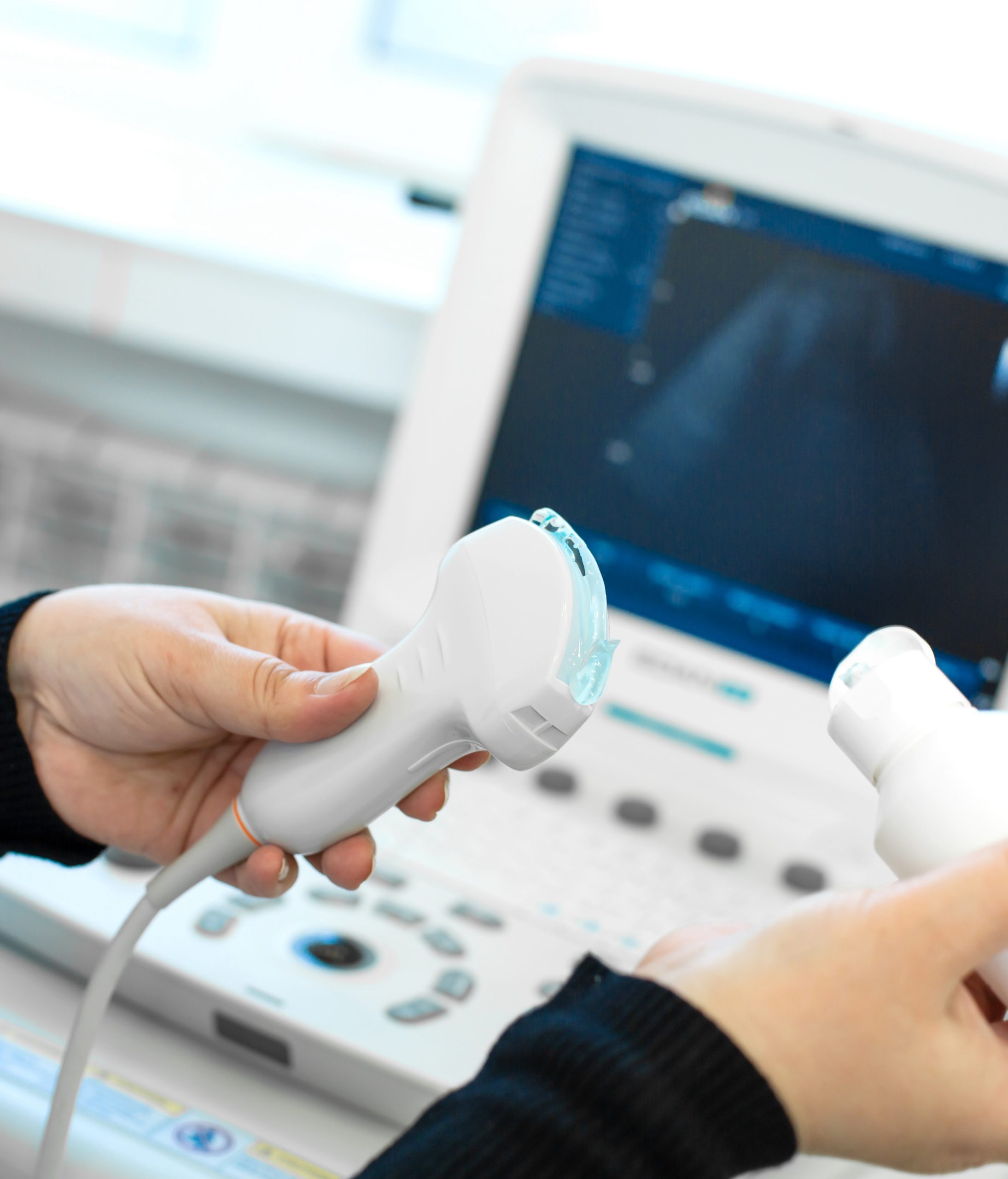
The procedure typically begins with you lying down in a relaxed position while the technician prepares the equipment. A gel may be applied to the skin over the area being examined, facilitating better sound wave transmission. The technician will then move the transducer in a series of gentle motions along the skin, capturing images and data regarding blood flow in your veins. Throughout the process, you will likely be asked to change positions or breathe deeply to help assess blood flow dynamics effectively.
The entire examination usually lasts about 30 minutes to an hour, and you can resume your normal activities immediately afterward.


Frequently Asked Questions
Venous Doppler FAQ
What conditions can a venous Doppler ultrasound detect?
A venous Doppler ultrasound is primarily used to diagnose deep vein thrombosis (DVT), venous insufficiency, and varicose veins, helping providers assess blood flow and identify abnormalities in the veins.
Is the venous Doppler ultrasound painful?
No, the procedure is non-invasive and typically painless. You may feel slight pressure from the transducer as it is moved across your skin, but this should not be uncomfortable.
How should I prepare for a venous Doppler ultrasound?
Generally, there are no special preparations required for this test. However, it's advisable to wear loose-fitting clothing that allows easy access to the area being examined.
How long does a venous Doppler ultrasound take?
The entire procedure usually lasts between 30 minutes to an hour, depending on the complexity of the examination and the number of areas evaluated.
Are there any risks associated with venous Doppler ultrasound?
The procedure is considered very safe, with no known risks. It doesn't involve radiation or injections, making it suitable for a wide range of patients.
What happens after the venous Doppler ultrasound?
Once the exam is completed, you can resume your normal activities immediately. The results will be reviewed by your provider, who will discuss any findings and potential next steps regarding your treatment.
Stories of Healing and Heart Health
Grateful Hearts

Your Heart Deserves the Best
Schedule a Consultation
Taking the first step towards better heart health is easier than ever at Lake Area Cardiology Associates. Our dedicated scheduling team is here to assist you in arranging an appointment with one of our top interventional cardiologists. You can book a consultation by calling our clinics in Conroe or Huntsville, Texas.
During your consultation, our specialists will take the time to understand your medical history, current health status, and any symptoms you may be experiencing. This comprehensive approach enables us to tailor a personalized treatment plan that best suits your needs.
Don’t wait—schedule your consultation today and take proactive steps towards a healthier heart.
Navigating Your Benefits
Insurance
Navigating insurance and billing can be complex, but at Lake Area Cardiology Associates, we strive to make this process as simple and transparent as possible. We accept a wide range of insurance plans.
To confirm whether we accept your specific insurance plan or to inquire about other available options, please contact our billing department. Our staff will assist you in verifying coverage and understanding your benefits.