
Peripheral Angiogram
Lake Area Cardiology Associates
Peripheral Angiogram
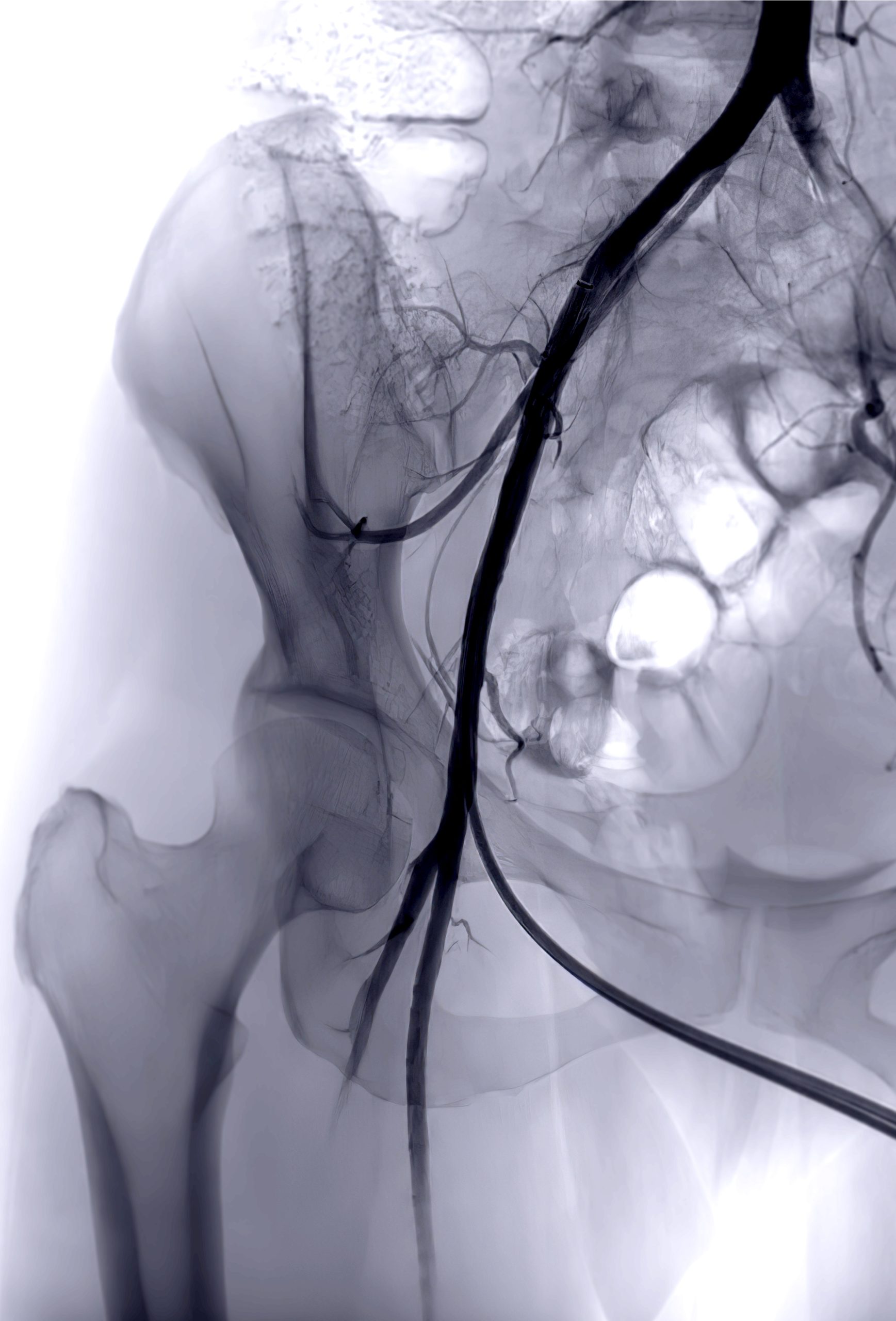
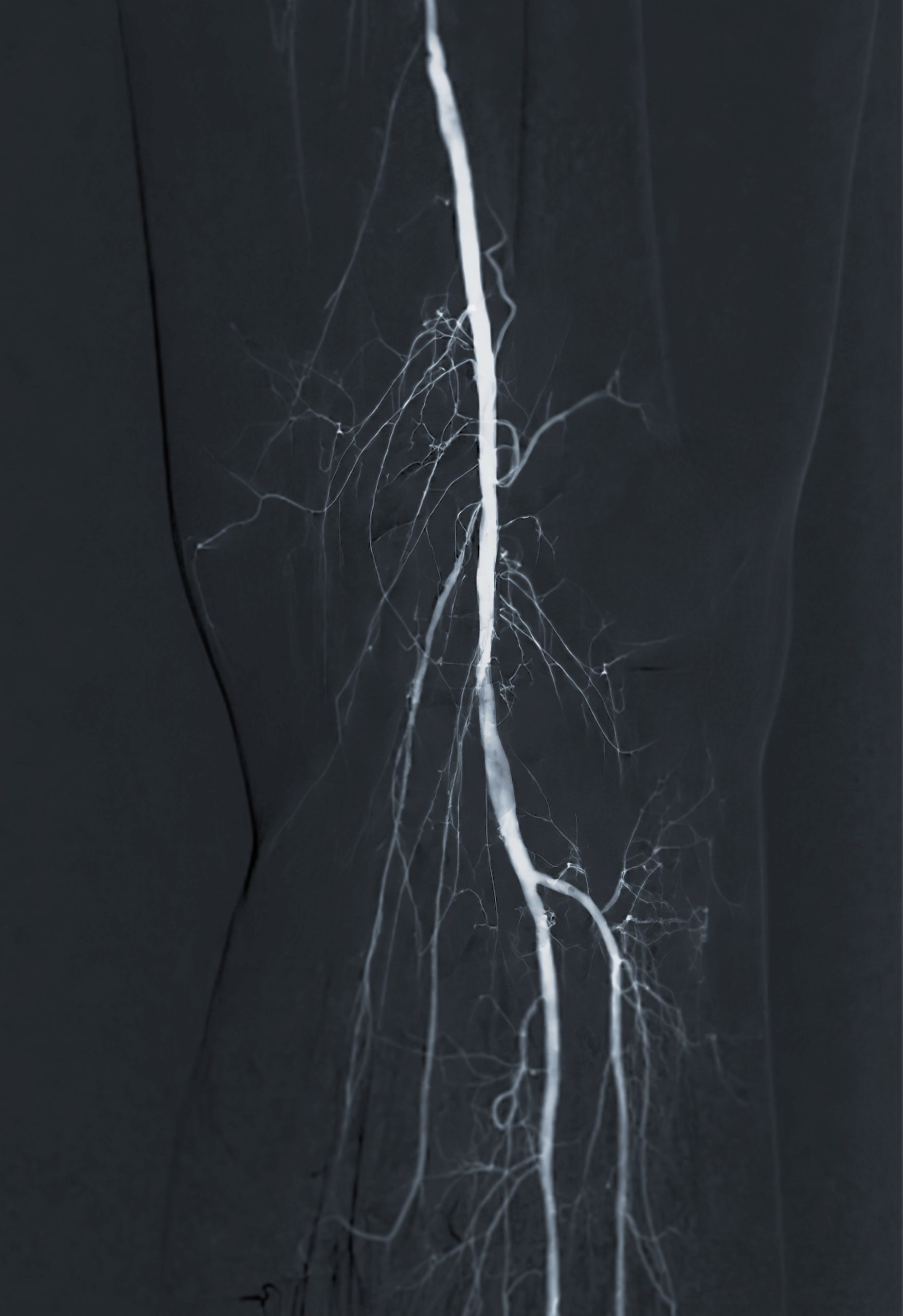
A peripheral angiogram is a vital diagnostic tool used to assess the health of the arteries in peripheral regions of the body, such as the legs and arms. This procedure involves the use of X-ray imaging combined with a contrast dye to create detailed visualizations of blood vessels. By injecting the dye into the bloodstream through a catheter, your provider can detect any blockages, narrowing, or other abnormalities that might be affecting blood flow.
The images produced allow for better evaluation of conditions like peripheral artery disease (PAD) and can guide appropriate treatment options, whether they involve lifestyle changes, medications, or surgical interventions. The peripheral angiogram is crucial in the proactive management of arterial health, helping to prevent serious complications related to impaired circulation.

Your Path to Better Cardiovascular Health
Benefits of a
Peripheral Angiogram
A peripheral angiogram offers several key benefits that contribute to effective patient care and management of vascular health. Firstly, it provides clear and detailed images of blood vessels, allowing your provider to accurately diagnose conditions such as peripheral artery disease (PAD), blockages, or narrowing of arteries. This diagnostic precision is essential for evaluating the severity of vascular issues and determining appropriate treatment options.
The information gained from a peripheral angiogram can lead to timely interventions that may prevent complications such as limb ischemia or other serious cardiovascular problems.
Understanding the Process
What To Expect
Before the angiogram, an intravenous (IV) line will be placed in your arm to administer medication and contrast dye during the angiogram. You’ll be positioned on an examination table and monitored throughout the procedure. The area where the catheter will be inserted—commonly the groin or arm—will be cleaned and numbed with a local anesthetic.
During the angiogram, your provider will insert the catheter into the artery and guide it to the area of interest. After injecting the contrast dye, a series of X-ray images will be taken to visualize your blood vessels. You may be asked to hold your breath briefly for certain images. The entire process typically lasts between 30 minutes to an hour.
After the procedure, you’ll be taken to a recovery area where you'll be monitored for a while to ensure everything is stable. It’s normal to experience some soreness or bruising at the catheter site, but if you notice severe pain, swelling, or signs of infection, contact your provider immediately.



Frequently Asked Questions
Peripheral Angiogram FAQ
What is a peripheral angiogram?
A peripheral angiogram is a diagnostic imaging procedure that uses X-ray technology and contrast dye to visualize blood vessels outside the heart and brain. It is primarily used to detect blockages or narrowing in the arteries of the legs, arms, and other peripheral regions.
How should I prepare for a peripheral angiogram?
Preparation may include fasting for several hours before the procedure, and your provider will give specific instructions regarding medications, especially if you are taking blood thinners. It's important to inform the provider about any allergies, particularly to contrast dyes.
What will happen during the procedure?
During a peripheral angiogram, a thin, flexible tube called a catheter is inserted into an artery, usually in the groin or arm. Contrast dye is injected through the catheter, and X-ray images are taken to visualize the blood flow in the peripheral arteries.
Is a peripheral angiogram painful?
While some patients may experience discomfort during the injection of the contrast dye or the placement of the catheter, the procedure is generally not considered painful. Local anesthesia is often used to minimize discomfort.
What are the risks associated with a peripheral angiogram?
Although it is a relatively safe procedure, there are potential risks, including allergic reactions to the contrast dye, bleeding, infection at the catheter site, or damage to blood vessels. Your provider will assess your individual risks before the procedure.
What happens after a peripheral angiogram?
After the procedure, you will be monitored for a short period to ensure there are no immediate complications. You may need to rest for several hours, and your provider will discuss the results and any necessary follow-up care or treatment options with you.
Stories of Healing and Heart Health
Grateful Hearts

Your Heart Deserves the Best
Schedule a Consultation
Taking the first step towards better heart health is easier than ever at Lake Area Cardiology Associates. Our dedicated scheduling team is here to assist you in arranging an appointment with one of our top interventional cardiologists. You can book a consultation by calling our clinics in Conroe or Huntsville, Texas.
During your consultation, our specialists will take the time to understand your medical history, current health status, and any symptoms you may be experiencing. This comprehensive approach enables us to tailor a personalized treatment plan that best suits your needs.
Don’t wait—schedule your consultation today and take proactive steps towards a healthier heart.
Navigating Your Benefits
Insurance
Navigating insurance and billing can be complex, but at Lake Area Cardiology Associates, we strive to make this process as simple and transparent as possible. We accept a wide range of insurance plans.
To confirm whether we accept your specific insurance plan or to inquire about other available options, please contact our billing department. Our staff will assist you in verifying coverage and understanding your benefits.